

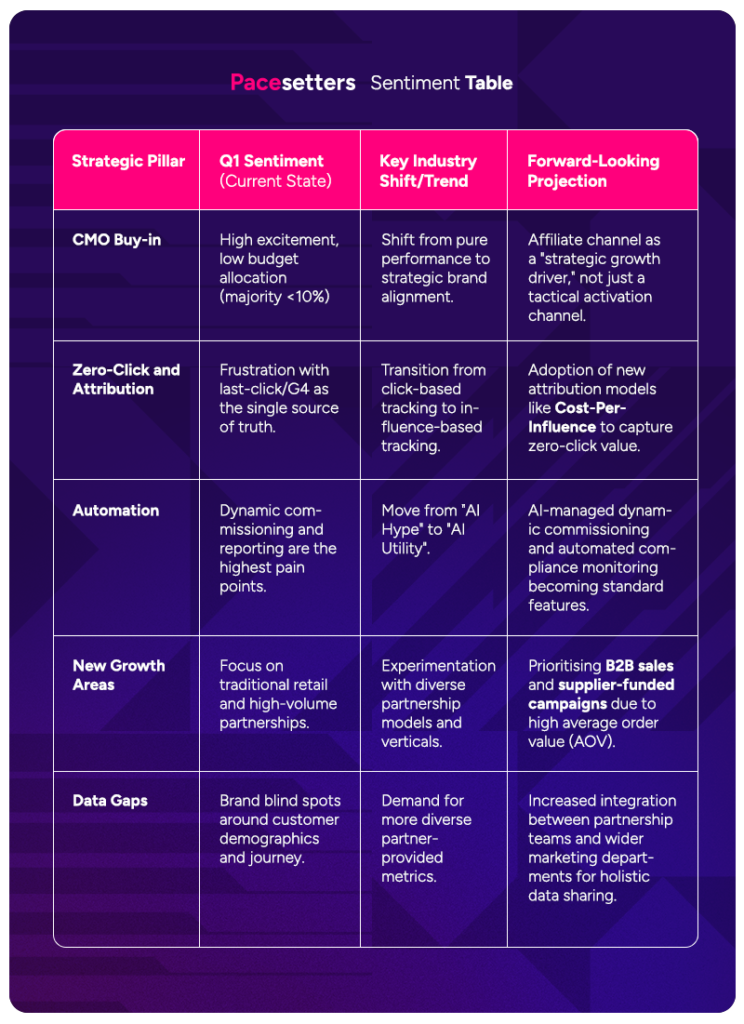
The inaugural meeting of Pacesetters took place on February 26, 2026. It established a clear consensus on the channel’s evolution; affiliate is moving from a last-click performance model to a strategic, full-funnel influence driver. Key findings across three core pillars highlight a positive shift in industry perception and a significant focus on future-proofing the channel through technology and collaboration:
- CMO buy-in: CMO excitement and investment are overwhelmingly high (rated 4 or 5 out of 5 by most brands), despite budget allocation remaining below 10% for most. The affiliate channel is increasingly seen as a strategic growth driver focused on new customer acquisition and brand-aligned KPIs.
- Automation: Dynamic commissioning was identified as the highest-friction point in the partnership lifecycle that participants most want to automate. Other key areas for AI utility include reporting and new partner discovery.
- Zero-click era: the industry is actively shifting its focus to influence-based tracking, with a majority of brands rating the importance of rewarding partners for AI summary citations as high (4 or 5 out of 5). The primary challenge is the lack of awareness around tools and standard analytics (like G4/Adobe) to confidently budget for and track zero-click outcomes. Partnerize’s new VantagePoint™ tool was shared as a solution for rewarding clickless attribution.
Pacesetters concluded that future success hinges on the evolution of measurement models and greater integration between affiliate teams and other marketing departments (PR, Brand).
Who are the Pacesetters?
Pacesetters are an exclusive group of industry leaders convened by Partnerize. The core intention is to foster high-level, strategic dialogue on the biggest trends and the future outlook of the affiliate marketing channel in the APAC region, including the evolving role of AI.
The group plans to meet quarterly to monitor how key industry pillars are evolving. The ultimate goal is to produce an actionable, publicly facing insights report that provides unique, local-market insights to guide the industry forward.
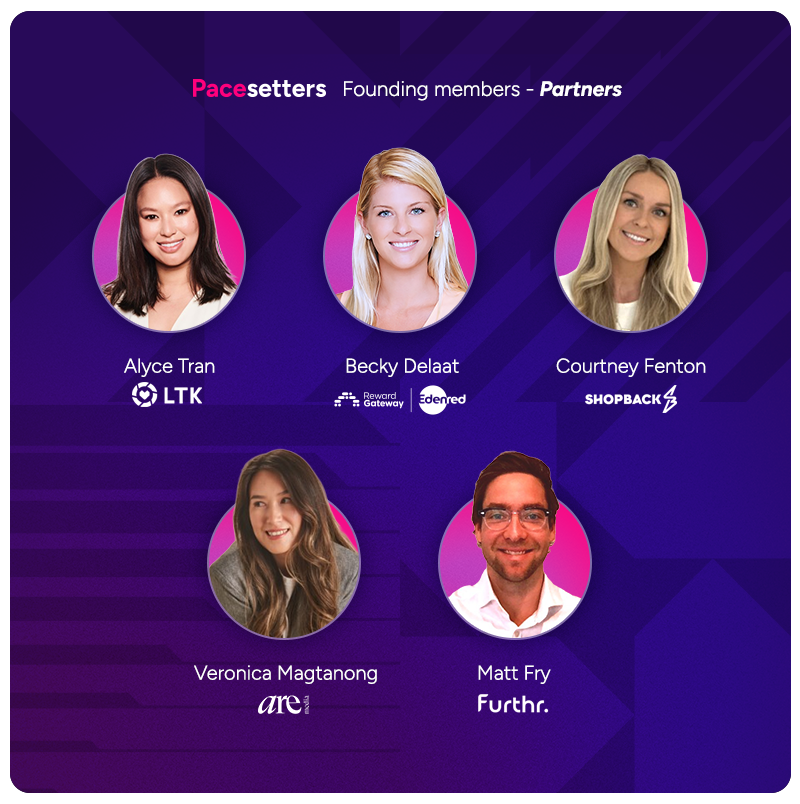
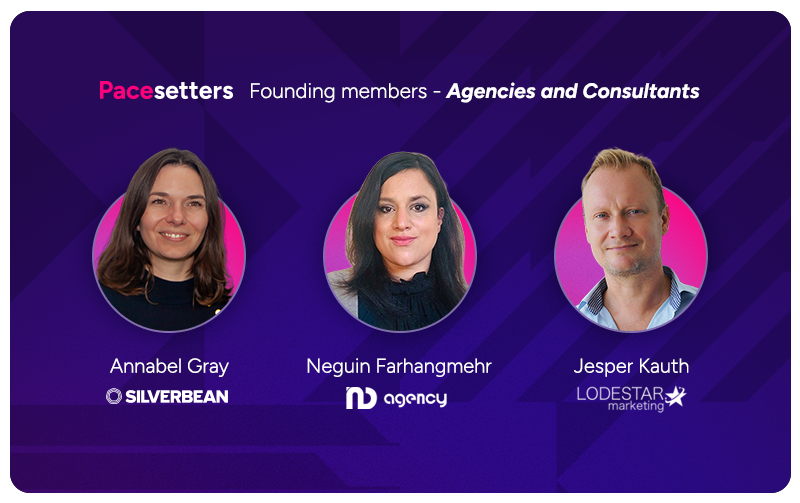
Who are our Founding Members?
The inaugural Board comprises senior representatives from leading brands, strategic partners, and specialist agencies across the APAC market, as well as hosts from Partnerize.

Key Pillars: Findings, Trends, and Insights
Pillar 1: CMO Buy-in & Investment Level
The affiliate channel is finally securing high-level buy-in, but budget allocation remains a challenge.
- Positive sentiment & strategic shift: Brands rated their CMO’s excitement and investment as overwhelmingly positive (a majority rated it a 4/5 or a 5/5). The channel is increasingly viewed as a “strategic growth driver” rather than solely a performance channel, as it becomes a channel of high interest to both brand and PR teams.
“The existence of dedicated affiliate agencies signifies strong demand and states that the channel is definitely rated between 4 and 5 today, a significant shift from 10 years prior.” — Neguin Farhangmehr, ND Agency
- Budget disparity: Despite the high buy-in, the majority of brands allocate less than 10% of their marketing budget to the affiliate channel, creating a disparity given that the target contribution is often 10% or more.
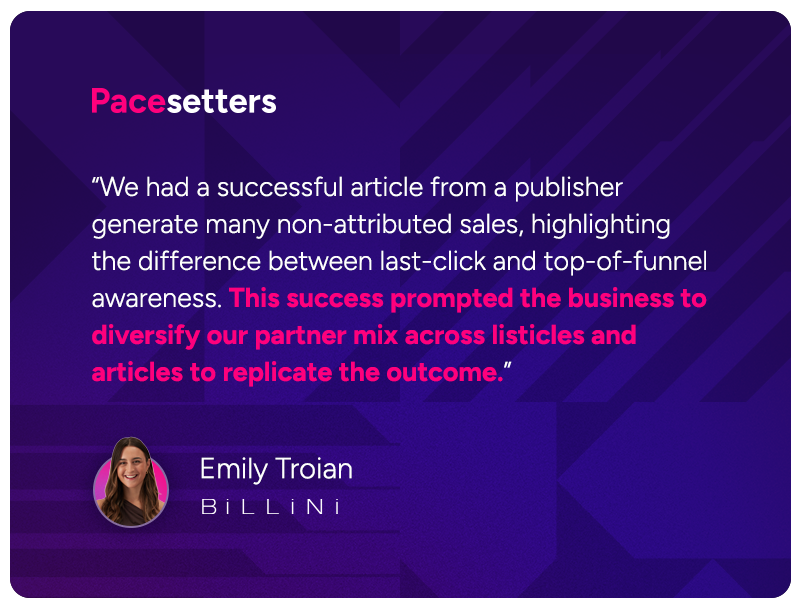
- Focus on top-of-funnel KPIs: Partners reported that 50% or more of their top 10 clients are now requesting brand-aligned KPIs such as new customer acquisition and impressions, alongside traditional ROI. This signals a shift away from a singular last-click focus.
“For Flight Centre, we are focusing on affiliates to target a younger demographic.” — Chelsea Kunst, Flight Centre
- Knowledge gap: A key challenge for partners is educating brands on KPI prioritisation, as partners cannot be expected to meet a long list of objectives, and must focus on one or two.
”Expectations must be balanced: influencers are expected to drive sales but equally need to remain aligned to their own brand and tone of voice. We consistently emphasise the necessity of prioritisation, as individual creators face difficulty meeting too many simultaneous objectives.” — Alyce Tran, LTK
Pillar 2: Automation
The industry is moving from AI hype toward AI utility, with a strong desire to automate high-friction points in the partnership lifecycle.
- Dynamic commissioning priority: In a poll asking participants what high-friction part of the partnership lifecycle they would automate, dynamic commissioning emerged as the definite favorite. Premium content publishers highlighted that they often have to manually negotiate higher CPA rates beyond baseline offers.
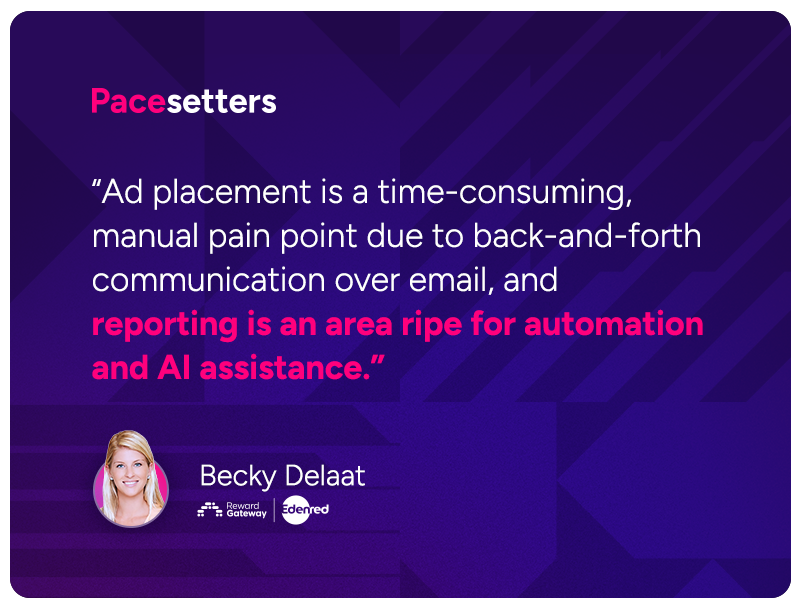
- Other automation opportunities: Ad placement was highlighted as a time-consuming, manual pain point. In a positive development, Partnerize announced the release of its first-to-market Automated Placement Verification tool to streamline this process. Partner discovery was also identified as a key area, with the desire for platforms to use data to automatically match the right partners (e.g., publishers great for new customers) to a brand’s strategy.
“While the channel is becoming more strategic with briefing, the discovery process remains manual. Platforms should use data to match the right partners to a brand’s strategy, such as identifying publishers great for new customers, which would automate a significant part of the pitching process.” — Matt Fry, Furthr
- Long-term vision: A long-shot idea for an AI-managed dynamic commissioning tool that automatically adjusts commissions based on preset guard rates tied to in-stock inventory levels was presented and noted for the product team’s roadmap.
Pillar 3: The Zero-Click Era
The rise of Large Language Models (LLMs) is driving a necessary shift from click-based to influence-based tracking, though execution remains a challenge.
- The problem: Consumers are increasingly using LLMs for product recommendations without clicking through to a site, prompting a need to reward partners who influence brand citations in these AI summaries.
- Rewarding influence is crucial: a final brand poll showed a majority rating the importance of rewarding partners for AI citation influence as a 4/5 or 5/5.
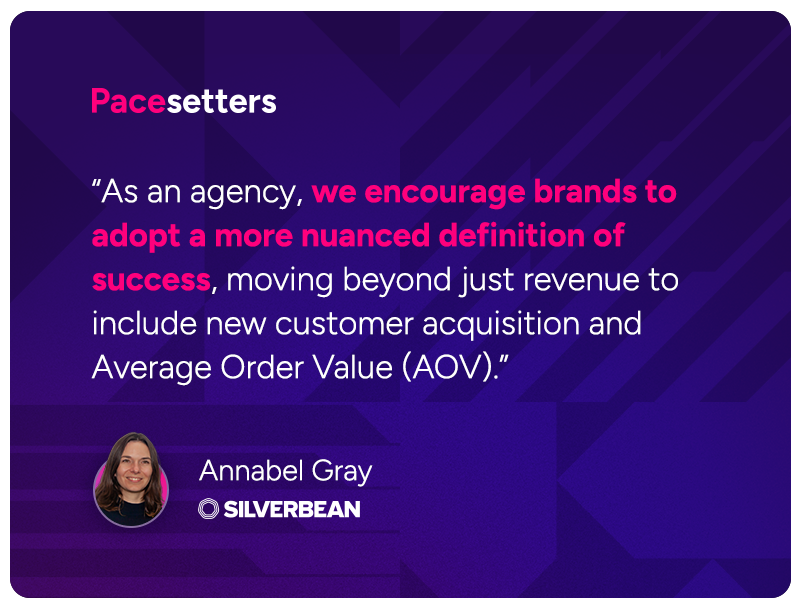
“While we all agree that rewarding influence is important, the friction exists in ‘how do we do it.” — Annabel Gray, Silverbean
- Measurement challenge: The biggest gap is educating brands on influence beyond the last click and expanding how affiliate value can be measured, especially when standard analytics platforms like Google Analytics 4 (G4) and Adobe are often considered the “single source of truth.
“The conversation is shifting from ‘what did it convert to?’ to ‘what did it influence?” especially with the rollout of new products like AI-powered discovery features. The biggest gap we face is educating brands on influence beyond the last click and expanding how affiliate value can be measured.” — Courtney Fenton, Shopback
- Attribution solution: Partnerize launched VantagePoint™ in Australia, a solution that tracks how publishers contribute to a brand surfacing in an LLM summary and follows the user journey to conversion, providing a full AI summary attribution solution. Moreover, VantagePoint™ is the first and only framework officially certified by the Alliance for Audited Media (AAM), giving brands the indisputable data-driven leverage they need in commercial negotiations. The future state involves integrating a cost-per-influence metric into the Partnerize dashboard.
Pillar 4: New Partnership Models
The affiliate channel is expanding its focus beyond traditional performance to explore new partnership models and high-value customer segments.
- New partnership models: Experimentation with supplier-funded campaigns has been successful. “Flight Centre has been experimenting with supplier-funded activities, including working with tourism boards to offer cashback on specific destinations, and that this has resulted in positive growth in conversion volume and revenue.” — Chelsea Kunst, Flight Centre
- B2B as a growth area: The B2B sales space was identified as a large untapped opportunity, with a focus on B2B corporate travel and large supplier deals involving corporate cards. This segment offers substantial average order values (AOVs), often exceeding $5,000 per ticket.
Pillar 5: Where are the Gaps?
Both brands and partners identified data and integration as key blind spots that need to be addressed to unlock the channel’s full potential.
- Brand requests for partner data: Brands requested that partners provide more granular data to overcome blind spots and dedicate more budget to top-of-funnel strategies.
- Data around customer demographics (new versus returning customers, age segments, etc.).
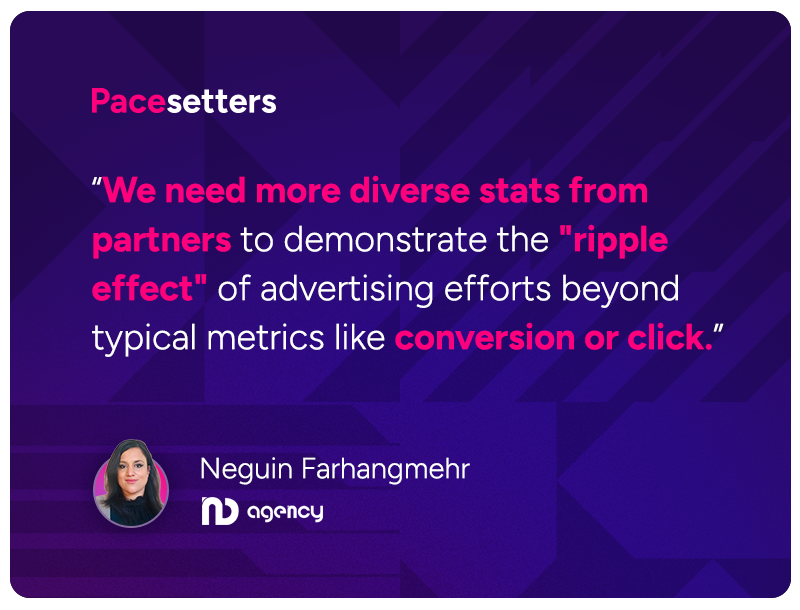
- Greater insight into the customer journey and the “ripple effect” of advertising efforts beyond typical metrics like conversion or click.
“Partners could share more information around customer demographics, such as new versus return customers and age segments, and greater insight into the customer journey. This additional data would help brands dedicate more budget to top-of-funnel strategies.” — Chelsea Kunst, Flight Centre
- Partners’ need for brand support on data integration: Partners require help from brands to enrich their data and provide a clear narrative around incrementality.
- Assistance with obtaining order ID as standard through integrations with the brand’s payment processor or analytics platforms like G4 for emerging categories like card-linking offers (CLO).
- Greater integration with other marketing departments (Brand, PR) to give partners a holistic view of strategies and challenges, positioning partnerships as an integrated business solution.
“Brands should provide greater integration with other marketing departments to give partners a holistic view of what is working and what challenges they face. This collaboration would help position partnerships as an integrated business solution rather than a standalone tactical activation channel.” — Annabel Gray, Silverbean
Pacesetters APAC Affiliate Advisory Board has underscored that the affiliate channel is at a critical inflection point. The positive shift in CMO sentiment is a major win, but the industry must quickly evolve its measurement models to keep pace with the zero-click / machine-mediated market era.
Overcoming the friction points identified (specifically around dynamic commissioning and demonstrating influence beyond the last click) will require a collaborative effort between platforms, brands, and partners, coupled with strategic investment in AI-driven utility.
Stay tuned for more on the Pacesetters coming soon!