

Post Updated: 4/15/2026
The next part of our Affiliate Marketing 101 series is to learn more about the affiliate partners, sometimes known as publishers. These people or companies promote products and services in exchange for a commission when a product is sold or a lead has been generated for the advertising company.
There are several different types of affiliate partners, and in this guide, we will cover the ten most popular types as well as their benefits.
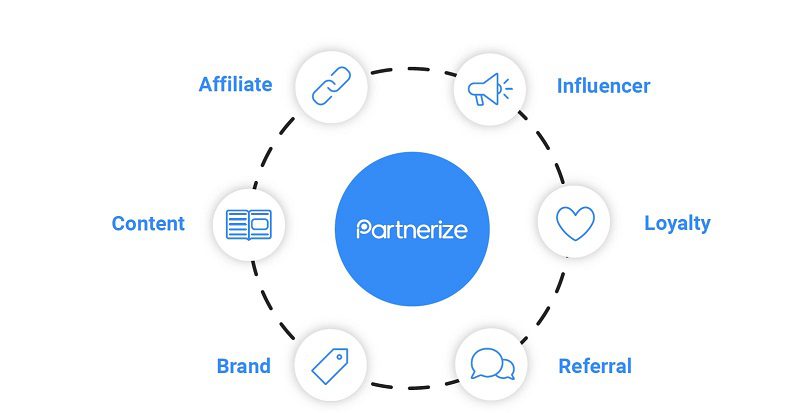
Cashback Affiliate Partners
A cashback partner is a type of website or app that offers a cashback incentive to the shopper or person using the service. These types of partners usually have large customer bases and are effective in driving rewards for their users.
Benefits of Working with Cashback Affiliates:
-
They Attract Price-Conscious Consumers: Cashback affiliate partners tap into a vast audience of shoppers who value saving money, so they use the service to get a portion of what they buy back. Because the pool of price savvy consumers is so large, this type of partner is able to expand the reach from your affiliate marketing efforts instantly. They expand your reach to a valuable customer segment.
-
They Encourage Customer Loyalty & Repeat Customers: The cashback incentive motivates customers to keep returning to make purchases and earn additional rewards. Their repeat business translates into customer loyalty for your brand.
Coupon & Deals Sites
This type of affiliate partner also caters to savvy shoppers by offering discounts and incentives through coupon codes. Often, shoppers will add items to the cart and then search Google for coupons, and if none are found, the transaction never gets completed. This type of partner leverages that moment to help you complete a sale. They will use search engine optimization strategies to rank on Google for your Brand Name + Coupon and send email newsletters alerting a large audience about the promotions and coupon codes you have running.
Benefits of Working with Coupon Site Affiliates:
-
They Drive Sales Through Price Sensitivity: Coupon affiliate sites tap into a large pool of price-conscious consumers who are likely to convert if they are offered a good deal that expires soon. This will expand your brand’s customer base and drive sales.
-
They Increase Conversion Rates: By providing the missing piece, the discount shared at the right time, coupon affiliate sites can nudge hesitant shoppers towards completing their purchases. This leads to higher conversion rates for you.
Comparison Platforms
Comparison partners assist customers in making informed purchasing decisions by presenting various options for products or services. They help users find the best deals or suitable products based on their preferences. Benefit: Enhances user experience by simplifying the decision-making process and increases the likelihood of conversions.
Benefits of Working with Comparison Partners:
-
They Offer a Better User Experience: Comparison partners can streamline the purchase journey for your customers by providing unbiased comparisons and simplifying which product a potential buyer should choose. This leads to a positive user experience because there is less to question and less time spent researching your website (or your competitors).
-
They Improve Conversion Rates: When users feel confident about their purchase decision, they’re more likely to convert. Comparison partners, by offering in-depth comparisons, can significantly increase conversion rates for your products.
Content Affiliates & Review Sites
Content publishers can range from gigantic media outlets to individual bloggers running their own product review sites. Content partners focus on delivering quality content to their audience, which is typically focused on a certain niche or specific topic that is related to your business.
Benefits of Working with Content Publisher Affiliates:
-
They Offer Brand Credibility by Association: Partnering with a trusted content creator reflects positively on your brand. A content creator’s endorsement of your product can enhance your brand image and build trust with potential customers.
-
It Allows You to Further Educate Consumers: Quality content can educate your potential buyers about your products, their benefits, and how they address their specific needs. This empowers buyers to make an informed purchase decision.
-
They Fostering Trust and Engagement: By providing valuable content, content publishers nurture trust and loyalty with their audience. This translates into higher engagement with your brand and ultimately drives conversions.
Influencers
Influencers are people, bands, or entertainers with a larger social media following that can promote a brand’s products or services in exchange for compensation
Benefits of Working with Influencers:
-
They Offer Brand Awareness: Influencers can rapidly expand your brand’s reach by exposing your products to a large and targeted audience through their social media channels.
-
They Drive Conversions: Influencer endorsements can significantly impact purchase decisions. A positive recommendation from a trusted influencer will drive sales and conversions for your brand.
-
They Cultivate Brand Loyalty: When influencers consistently promote your brand in a positive light, they can foster brand loyalty among their followers. This leads to repeat customers, social followers, and advocates for your brand.
Brand Partnerships
A brand partnership is a collaboration between two established brands to achieve mutually beneficial goals such as generating new leads, growing sales, or more brand awareness.
Benefits of Working with Brand Partnerships:
-
They Expand Market Reach: Brand partners gain access to each other’s established customer base, significantly increasing their market reach and potential customer pool. Read what is an affiliate company to learn more.
-
They Increase Credibility: Association with another reputable brand can elevate the image of your brand, fostering trust and credibility with your potential buyers.
-
Shared Resources & Expertise: Brand partnerships allow for cost-effective marketing campaigns and product development by leveraging each other’s resources and expertise.
Loyalty Partners
A loyalty partner is a type of partner that manages a customer loyalty reward program that rewards their members with points or incentives for each purchase they’ve made. So, how are Loyalty partners different from cashback partners? Well, it comes down to the reward they offer buyers. Acashback affiliate offers money, while the loyalty partner offers points that can be redeemed for goods or services. Loyalty partners are effective in fostering repeat purchases and building brand loyalty.
Benefits of Working with Loyalty Partners:
-
Encourages Customer Retention: Loyalty programs incentivize repeat purchases, keeping existing customers engaged with your brand and reducing churn.
-
Increased Customer Lifetime Value: By retaining customers and encouraging repeat purchases, loyalty programs can significantly increase the customer lifetime value for your brand.
-
Strengthens Brand Affinity: Positive experiences with a loyalty program foster positive brand associations and emotional connections, leading to stronger brand loyalty.
Email Newsletter Affiliate Partners
This type of affiliate partner is someone who manages a large, curated email list or newsletter and promotes affiliate products and services to their subscribers. These lists are usually highly segmented by interests and demographic, which allows the advertiser to target very specific audiences with higher than average conversion rates. Newsletter affiliates rely on the personal connection and trust they’ve built with their subscribers to drive highly qualified traffic to advertisers’ affiliate programs.
Benefits of Working with Email Marketing Affiliates:
- They Deliver Highly Targeted Qualified Traffic: Because these affiliates segment their lists by interest (e.g., “runners,” “skiers,” and “pet owners”), they can ensure your products reach an audience already highly interested in your niche, leading to a higher conversion quality.
- Access to a Highly Engaged Audience: Subscribers who willingly sign up for a newsletter are often more loyal and engaged than they would be with a website. This captive audience is more receptive to recommendations, resulting in higher click-through rates and sales.
- Controlled Promotion Schedules: You can coordinate specific dates for promotions, product launches, or flash sales, allowing for precise tracking and optimization of your affiliate campaigns around key marketing moments.
Additional Affiliate Types To Know About
-
Metasearch Engines: Primarily found in the travel sector, metasearch partners allow users to compare multiple options simultaneously, such as flights or accommodations. They often redirect users to other sites for purchases.
Their Benefit: Provides convenience to users by consolidating search results and increases exposure for brands.
-
Sub-Networks: These networks enable collaboration with a larger pool of partners, typically long-tail affiliates. Brands can leverage sub-networks to expand their reach and diversity of affiliates.
-
Their Benefit: Broadens the affiliate network, reaching niche audiences and driving incremental sales.
-
Referral Partners: Brands incentivize customers to refer others through discounts, points, or products. Referral partners turn customers into advocates, driving new customer acquisition through word-of-mouth marketing.
Their Benefit: Harnesses the power of customer advocacy, generates high-quality leads, and reduces customer acquisition costs.
What are Card-Linked Offer (CLO) Partners?
Card-linked offer partners are loyalty and cashback affiliates who take the hassle out of promotions by linking digital deals straight to a user’s bank account or credit card. With traditional tracking affiliate links becoming less reliable (thanks to blockers and ITp), the customer activates a CLO partner’s deal with a fintech app. The app system tracks the sale automatically when the shopper pays with their registered credit card at either a physical store, online marketplace, digital app, or website. These types of partners often help brands with retail locations, too so they can better bridge the gap between how they market online and how people shop offline.
Why CLO Partners are on the Rise
The growth of CLO partners has everything to do with a shift towards frictionless commerce. Customers no longer want to bother with coupon codes or navigate referral paths to get their rewards.
- They want the deal to connect to their online shopping all the way to the physical store.
- Less hassle at the checkout means fewer manual discount codes to worry about.
- Banks get valuable new data to help them tailor future offers to users.
- Customer retention goes up because rewards are now automatic and tied to their card.
How Does Affiliate Content Change With AI?
AI is changing affiliate content by turning the focus away from traditional search engine results and towards AI powered search results. AI-native affiliates are the shopping assistants, specialized chatbots, and browser extensions that use everyday language to suggest affiliate products to users. These tools move away from traditional search-optimized blogs to use real-time data, which allows them to give personalized tailored answers directly within a chat interface directly in search results or a native app. Learn more in our guide to the pros and cons of AI in affiliate marketing.
Working With AI-Native Affiliates
Working with partners who use AI tailored results means your brand will pop up in the “recommended” or tailored results when a user ask AI tools for the best product in a relevant area.
- They use natural language processing to get buyer intent right.
- They focus on being the definitive recommended source rather than just one of many 10 search links.
- They use browser extensions to offer real-time price comparisons to users.
- They create personalized shopping experiences based on what users have done or read about in the past.
What Are the Typical Commission Structures an Affiliate Partner Would Get Paid?
Here is a list of the typical affiliate commission structures most affiliate programs use to pay partners:
Cost-Per-Sale (CPS): This is the most common commission structure, where affiliates earn a commission when a referred customer makes a purchase. The commission rate is usually a percentage of the sale amount.
Cost-Per-Lead (CPL): Affiliates earn a commission when a referred visitor takes a specific action, such as filling out a contact form or signing up for a newsletter. The commission rate is usually a fixed amount.
Cost-Per-Action (CPA): Affiliates earn a commission when a desired action is completed on your site. For example, if they referred a newsletter subscriber or requested a sample of your product. The commission rate for the action is usually a fixed amount.
Pay-Per-Click (PPC): Affiliates earn a commission for each click generated from their referral link, regardless of whether the referred visitors make a purchase. The commission rate is usually a fixed amount or a percentage of the CPC (cost-per-click) advertising.
Pay-Per-View (PPV or CPM): Affiliates earn a commission based on the number of times an ad or promotional material is viewed by visitors referred from their link. The commission rate is usually a fixed amount or a percentage of the CPM (cost-per-thousand impressions) advertising.
Hybrid Commissions: Combines multiple commission structures within a single affiliate program. For example, affiliates may earn PPS for some products and PPL for others within the same affiliate program.
Performance Bonuses: Affiliates receive additional bonuses or incentives based on meeting specific performance targets or milestones.
Cross-Device Commissions: Affiliates earn commissions when a referred customer makes a purchase on a different device than the one they initially used to visit the site (e.g., starting on mobile and completing the purchase on desktop).
When Do Affiliate Partners Typically Get Paid?
The payment schedules for affiliate partners can vary between affiliate programs. However, the most common practice is to pay partners monthly once a certain commission threshold is met. Payment methods are often digital and include options like PayPal, bank transfers, and sometimes other digital payment providers.
How Do I Choose the Right Affiliates for My Business?
Finding the right affiliates really comes down to your specific goals. If you want people to know your name then social media influencers and content affiliates are perfect. If you want volume sales then comparison sites are the way to go. A balanced affiliate program mixes all these types of affiliates. You can usually search for them inside your affiliate network marketplace.
What Is the Difference Between Content Affiliates and Mass Media Affiliates?
Think of them as operating in different leagues. Both are important types of affiliates but the scale is the main difference. Content affiliates are usually independent bloggers or niche site owners who naturally weave an affiliate link into their stories. On the other hand Mass Media Affiliates are huge publishers like big news sites or magazines that monetize their massive readership. Since they reach such a huge target audience they often need a different setup in your affiliate program compared to smaller creators.
How Are Comparison Sites Considered Different From Other Affiliate Partners?
Comparison sites are all about helping people who are ready to buy right now. Unlike social media influencers who might just get someone interested these sites help users check prices and features. We view comparison sites as vital affiliate marketing partners because they catch high-intent traffic. Adding them to your affiliate program helps you stay competitive and they use a specific affiliate link to track that final click to purchase just like any other affiliate partner.
Do Some Affiliates Pay for Ads to Promote My Brand?
Yes, there are specific types of affiliates called Media Buyers who do just that. They spend their own cash on ads to send people to your affiliate program. You need to be careful, though. Any experienced affiliate marketer will tell you that you need strict rules for these affiliate partnerships so they do not bid on your own brand name keywords. Partnerize also monitors for affiliate fraud for any bad actors who take advantage of this.
What Are Technology and Mobile Affiliates?
These are both types of affiliates that use software like browser extensions or mobile apps to make shopping easier. They often act a bit like comparison sites but they pop up automatically while you browse or checkout. Most major affiliate networks have tools to track these specifically so the affiliate link still works properly even inside an app environment.
How Do Brands Get Incremental Sales From Affiliates?
Brands get incremental sales by using dynamic commission rules that reward partners for bringing in new customers rather than just claiming a share of the sale from people they already have. Incrementality is about measuring whether a sale would have happened even if the affiliate hadn’t been involved. Modern platforms now let brands set different pay rates for different types of conversions. So a content creator who introduces a brand to a new audience will get a higher paying commission than a coupon site that appears at the final stage of a repeat purchase.
Protecting Sales Incrementality
To manage this, modern platforms like Partnerize help you set the rules for your program.
Pay more for affiliates who bring in new customers outright
Pay less to coupon sites that target users who are already halfway through checking out.
Identify which partners consistently get a sale just by showing up at the last minute for repeat buyers.
Can I Use Affiliate Partnerships for B2B or Lead Generation?
Yes, you can. Since lead generation affiliates focus on getting you sign ups instead of just quick sales, your affiliates can help you drive b2b sales. These affiliate partnerships are huge in finance or software industries. Lead generation affiliates typically use an affiliate link to track when someone requests a quote or fills out a form. It is a great way to target audience members you might miss otherwise.
Why Is It Important to Have Diverse Types of Affiliates?
If you stick to one type you limit your potential reach. Different types of affiliates talk to customers at different times. Social media influencers start the conversation and comparison sites often closer down the funnel to help close the deal. A healthy affiliate program uses several different partners to make sure you are talking to every part of your target audience.
How Do I Track Which Partners Are Doing the Best Job?
It all happens through the unique affiliate link you get from your affiliate network. Using a platform like Partnerize you can run reports to see if your comparison sites are beating your content affiliates. This data is super helpful because it tells you which types of affiliates bring in the best customers so you can go find more of the right affiliates next time.
In Conclusion
As you can see, there are many different types of affiliates with unique benefits to offer your brand. By diversifying the various types you use, you can minimize the risk of relying on a single partner type experiencing industry fluctuations (like a Google algorithm change) while maximizing profits by harnessing the unique strengths each affiliate type brings.
Related Posts:
- Affiliate Marketing 101 Guide
- Affiliate Marketing Strategies to Know
- 6 Simple Wins for Your Affiliate Program Strategy
- Affiliate Vs. Partner Marketing: What is the Difference?
- 7 Excellent Benefits of Affiliate Marketing in 2024
- The Best Affiliate Programs In the USA 2024 (All Categories Included)
- Affiliate Marketing Evolved: It’s Time for Partnerships